
Food Culture

Coffee Culture: From Bean to Cup
Coffee is more than just a beverage; it is a global phenomenon woven into the fabric of daily life, culture, and social interactions. From the moment the coffee bean is harvested to the time it reaches your cup, there is a journey that brings with it stories, traditions, and innovations.
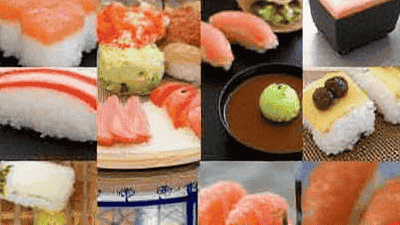
Japanese Food Culture: Beyond Sushi
Japanese food culture is a rich tapestry of flavors, textures, and traditions that extends far beyond the globally recognizable sushi. Rooted in a profound respect for nature, an emphasis on seasonality, and the artistry of presentation

From Ancient to Modern: The Sweet History of Chocolate
Chocolate, often described as the ultimate indulgence, has a rich and fascinating history that spans thousands of years. From its ancient origins in Mesoamerica to its modern-day status as a beloved sweet treat around the globe, chocolate has undergone a remarkable transformation.

Global Breakfast Culture: From Pancakes to Panini
Breakfast is often heralded as the most important meal of the day, setting the tone for our energy levels, mood, and productivity as we dive into our daily routines. However, what constitutes breakfast varies widely across cultures, showcasing a colorful tapestry of ingredients, flavors, and traditions.

Sustainable Seafood: How to Choose Eco-Friendly Fish
As the global demand for seafood continues to rise, concerns about the environmental impact of fishing practices and the health of our oceans have become paramount. Overfishing, habitat destruction, and pollution are significant threats to marine ecosystems, prompting a need for conscious consumerism.
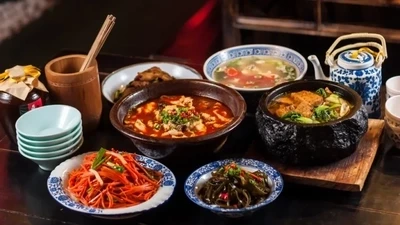
From Tradition to Modern: The Evolution of Chinese Cuisine
Chinese cuisine is one of the most diverse and ancient culinary traditions in the world. Its evolution over thousands of years reflects the country’s rich history, regional variety, and cultural transformation. From imperial kitchens to street food stalls
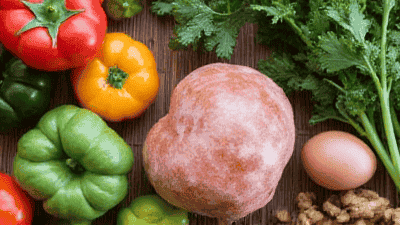
Farm to Table: The Charm of Local Ingredients
In recent years, the farm-to-table movement has gained immense popularity, transforming the way we think about food and its origins. This culinary trend emphasizes the importance of sourcing ingredients locally, connecting consumers directly with the farmers and producers who grow and harvest their food.

Family Heirloom Recipes: Why They Matter
Food is not just a necessity for survival; it serves as an integral part of our identities, cultures, and family histories. Among the cherished aspects of culinary traditions are family heirloom recipes—those time-honored dishes passed down through generations.
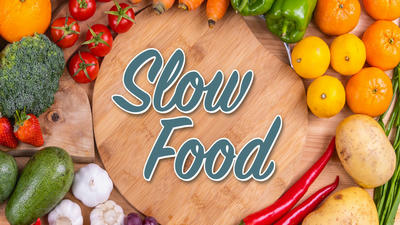
Slow Food Movement: Why We Need to Slow Down
In today’s fast-paced world, where convenience often takes precedence over quality, the Slow Food Movement emerges as a refreshing antidote. Founded in the 1980s, this movement emphasizes the importance of taking time to appreciate food, its origins, and the cultural practices surrounding it.